How to Brew Better Coffee at Home Using Fresh Beans
A better cup of coffee at home does not always require expensive equipment or complicated techniques. In many cases, the biggest improvements come from getting the basics right: choosing fresh beans, storing them properly and making a few simple changes to the way you brew.
Freshness has a major impact on flavour. Coffee is at its best when its natural sweetness, aroma and character are still present, so how you buy, store and prepare your beans can make a noticeable difference to every cup.
Why Fresh Coffee Beans Matter
Once coffee has been roasted, it begins to release gases and gradually lose some of its aroma and flavour. This is a natural process, but it means that coffee will not stay at its best indefinitely.
Freshly roasted beans tend to produce a more fragrant, balanced and enjoyable cup. Depending on the coffee, you may notice flavours such as chocolate, caramel, nuts, fruit or citrus more clearly.
Older or poorly stored coffee can begin to taste flat, dull or stale. It may still provide the caffeine boost you are looking for, but much of the character that made the coffee special in the first place may have faded.
That is why buying freshly roasted coffee in sensible quantities is one of the easiest ways to improve your coffee at home.
Buy the Right Amount
It can be tempting to buy coffee in large quantities, but bigger is not always better when it comes to freshness.
Choose an amount that you can comfortably use within a few weeks. This helps ensure that the beans are enjoyed while their flavour and aroma are still at their best.
Rather than keeping several large bags open at once, consider finishing one coffee before opening the next. This reduces the amount of time the beans are exposed to air and also allows you to appreciate the character of each blend more clearly.
Choose Whole Beans Where Possible
Whole coffee beans usually retain their freshness for longer than pre-ground coffee. Once coffee is ground, more of its surface area is exposed to air, which causes flavour and aroma to fade more quickly.
Grinding your coffee shortly before brewing can make a significant difference to the finished cup. It also allows you to adjust the grind size to suit your preferred brewing method.
A coarse grind works well for a cafetière, while filter coffee normally requires a medium grind. Espresso needs a much finer setting.
A good grinder is a useful investment for regular coffee drinkers, but freshly ground coffee from a trusted roaster can still produce excellent results when stored carefully.
Store Your Coffee Properly
Air, moisture, heat and light can all affect the quality of your coffee, so storage matters.
Keep your beans in a cool, dry place away from direct sunlight, ovens, radiators and other sources of heat. A kitchen cupboard is usually better than an open shelf beside the kettle.
Coffee should also be kept in an airtight container or inside its original resealable bag. Many specialist coffee bags include a one-way valve, which allows gases released by freshly roasted coffee to escape without letting additional air in.
Avoid leaving the bag open for longer than necessary, and always press out excess air before resealing it.
Should Coffee Be Stored in the Fridge?
For everyday use, the fridge is generally not the best place to store coffee.
Coffee can absorb moisture and surrounding odours, which may affect its flavour. Taking the beans in and out of a cold environment can also cause condensation to form.
A sealed bag stored in a cool cupboard is usually the simplest and most reliable option.
Freezing coffee can be useful for longer-term storage, but the beans should be divided into airtight portions before freezing. Only remove the amount you need and allow it to reach room temperature before opening the container.
Use the Right Grind Size
Grind size has a major influence on how your coffee tastes.
If the grind is too coarse for your brewing method, the water may pass through too quickly and fail to extract enough flavour. This can produce a weak, sharp or sour-tasting cup.
If the grind is too fine, the coffee may over-extract, leading to bitter or dry flavours.
As a simple guide:
- Use a coarse grind for a cafetière.
- Use a medium grind for most filter methods.
- Use a fine grind for espresso.
- Use a medium-fine grind for many pour-over brewers.
Measure Your Coffee and Water
Guessing can lead to inconsistent results. Measuring your coffee and water helps you recreate a good cup more reliably.
A useful starting point is around 60 grams of coffee per litre of water. This can be adjusted depending on how strong you prefer your coffee.
For a single 250ml cup, try approximately 15 grams of coffee.
You do not need specialist equipment to begin with, but a small digital scale can make home brewing much more consistent. Measuring also makes it easier to identify what needs to change when a brew is too weak or too strong.
Pay Attention to Water Quality
Coffee is mostly water, so the water you use will affect the finished taste.
Fresh, clean water is essential. Avoid repeatedly boiling the same water in the kettle, as this may affect the flavour.
If your tap water has a strong taste or contains high levels of minerals, filtered water may help produce a cleaner and more balanced cup.
The water should be hot, but not aggressively boiling when it comes into contact with the coffee. After the kettle boils, allow it to rest briefly before pouring.
Give Your Coffee Enough Time
Different brewing methods require different contact times between the coffee and water.
For a cafetière, allow the coffee to brew for around four minutes before pressing the plunger slowly.
With filter coffee, pour the water steadily and allow the grounds to become evenly saturated. For espresso, the grind size, dose and extraction time all need to work together.
Rushing the brew can leave coffee tasting thin and underdeveloped, while leaving it too long may create bitterness.
Use recommended timings as a starting point, then make small adjustments based on taste.
Keep Your Equipment Clean
Coffee oils and residue can build up quickly inside brewers, grinders and machines. Over time, this can create stale or bitter flavours that affect even the freshest beans.
Rinse your cafetière or filter brewer after every use and clean it thoroughly on a regular basis. Espresso machines should be cleaned and maintained according to the manufacturer’s instructions.
Do not forget reusable filters, grinder hoppers and milk equipment. A clean setup gives fresh coffee the best chance to taste as it should.
Make One Change at a Time
It can be difficult to improve your coffee when several variables are changed at once.
Start with one small adjustment, such as using fresher beans, changing the grind size or measuring your coffee more accurately. Taste the result and decide whether it has improved.
Keeping the process simple makes it easier to understand what works for you.
Better Coffee Starts with Better Basics
Brewing better coffee at home does not need to be complicated.
Start with freshly roasted beans, keep them properly sealed and stored, grind them to suit your brewing method and measure your coffee and water. Clean equipment and small, considered adjustments can then help you refine the flavour further.
The result is a more consistent, aromatic and enjoyable cup, made in your own kitchen.
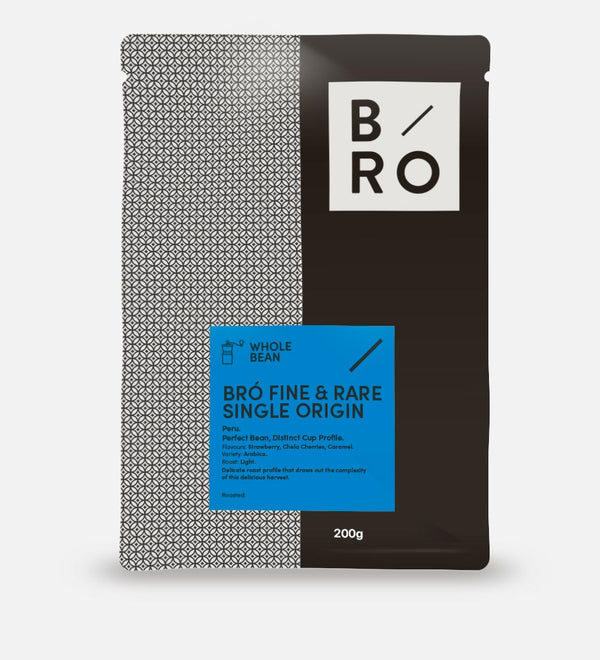
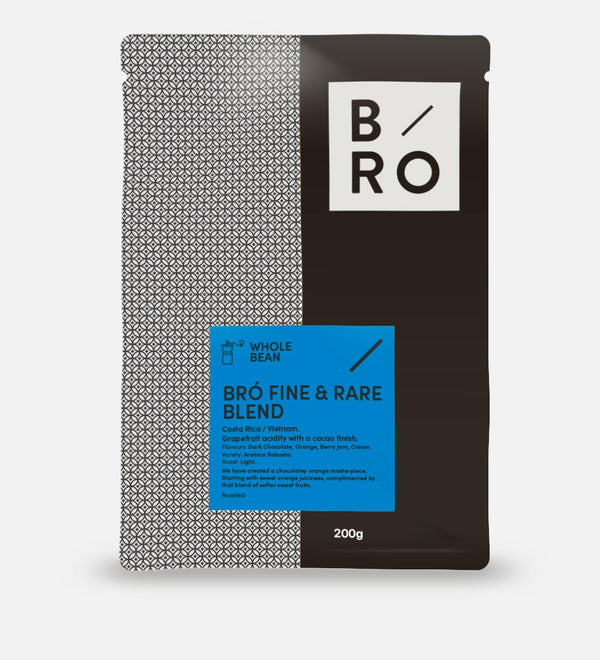
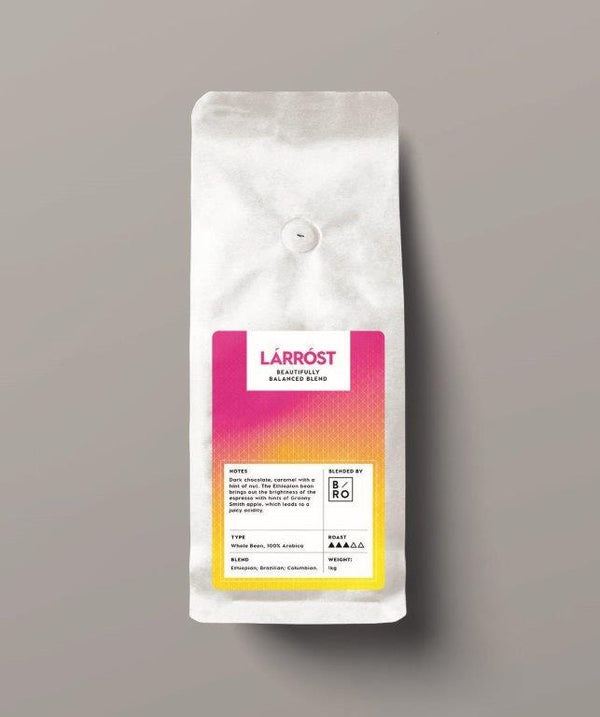
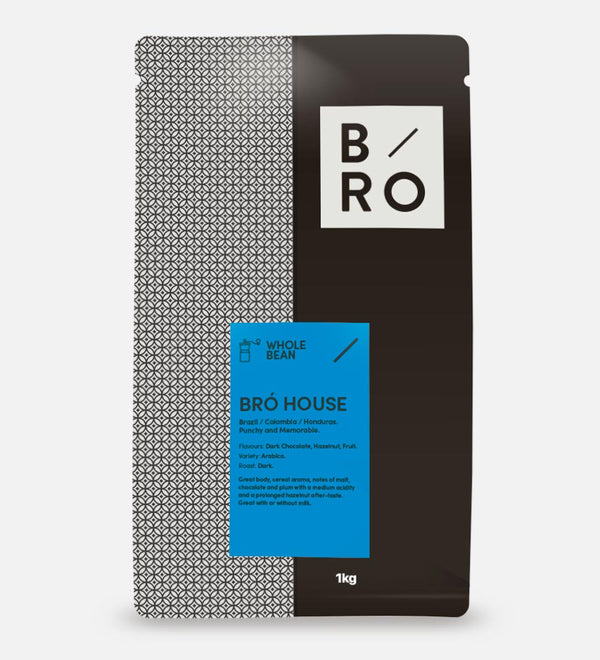
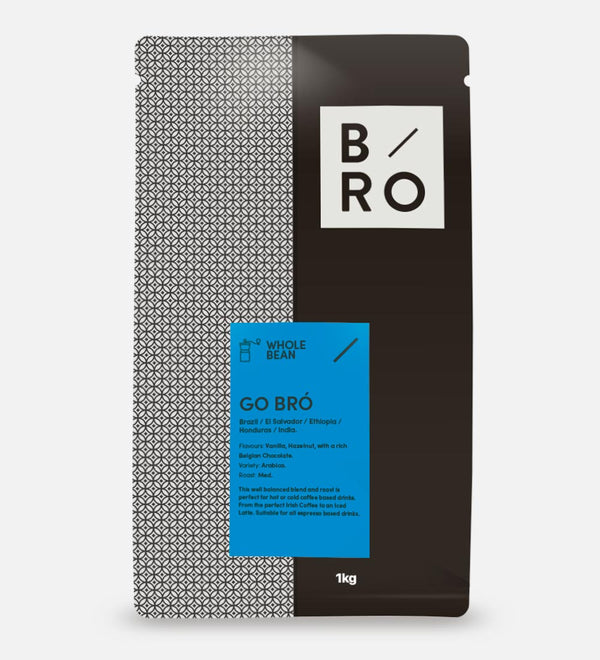
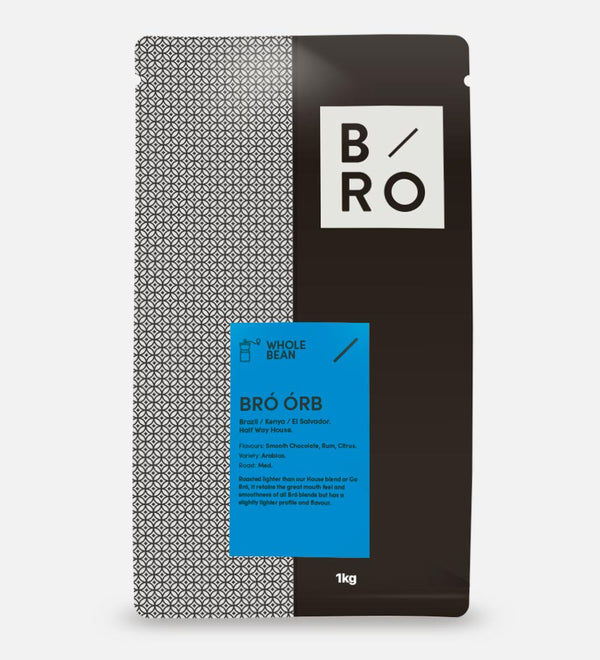
Explore the Bró Coffee collection and find a freshly roasted blend for your home brewing routine.